
Is Speech Therapy Just for Kids?
- Mar 25
- 5 min read
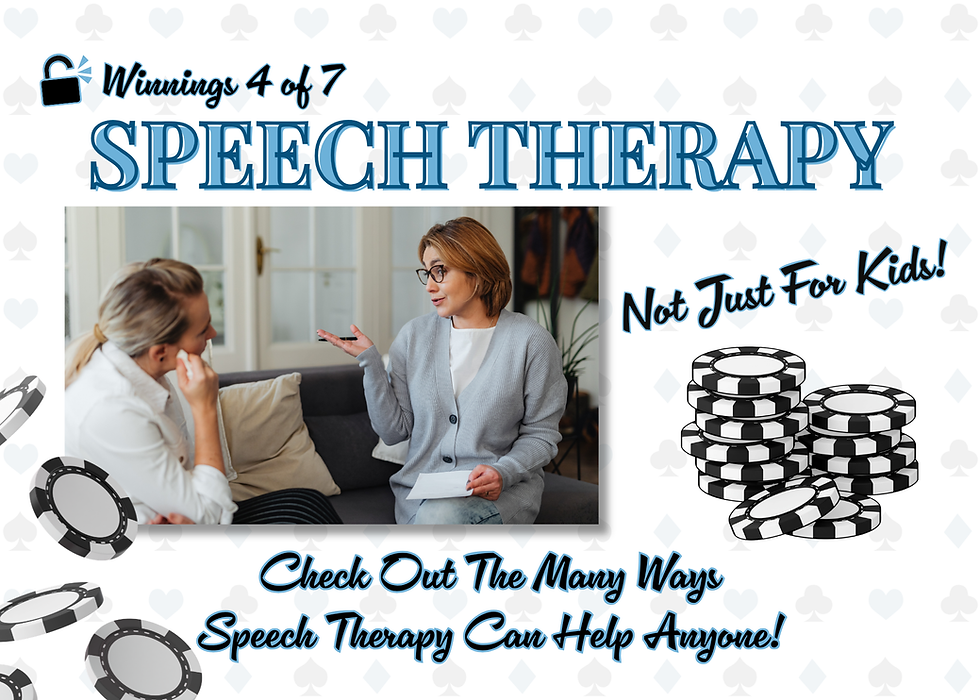
When many people hear the words speech therapy, they immediately picture a child working on pronunciation or learning to say certain sounds more clearly. While that is definitely one important part of speech therapy, it is far from the whole story. The truth is, speech therapy is not just for kids. It can help people of all ages, from toddlers learning to communicate to adults recovering after a stroke or managing changes in speech, voice, memory, or swallowing.
To help guide us through this topic, we’re sharing insight from Danielle Benavidez, CCC SLP, a certified Speech Language Pathologist dedicated to helping patients find their voice and improve their quality of life, who currently specializes in pediatrics and autism.
If you have ever wondered whether speech therapy could help you or someone you love, consider this your lucky break. Let’s pull back the curtain and take a closer look at all the ways speech therapy can make a difference.
Expert Insight: "I think a better way to think of a 'speech therapist' is as a 'communication therapist'. Speech sound production skills and articulation are just the tip of the iceberg. Having ideas, wanting to communicate them to others, and formulating them so that others understand are all vital pieces of the skill of communication that SLPs can help work on." - Danielle Benavidez, CCC-SLP
More Than Just Speech
First things first: speech therapy is about much more than talking.
Speech language pathologists, often called speech therapists, are trained to help with a wide range of challenges related to:
• Speaking clearly
• Understanding and using language
• Social communication
• Voice and vocal quality
• Memory and cognition
• Swallowing and feeding
That means speech therapy can support people in ways that go far beyond simply helping someone “say their words.”
How Speech Therapy Helps Children
For children, speech therapy can play a huge role in helping them build confidence, connect with others, and succeed at school and at home.
1. Speech Sound Development
Some children have trouble pronouncing certain sounds, making it harder for others to understand them. A speech therapist can help children learn how to form sounds correctly and improve clarity over time.
Examples might include difficulty with:
• R sounds
• S sounds
• L sounds
• Blends like “sp” or “tr”
This can make a big difference in a child’s confidence and communication.
2. Language Development
Speech therapy also helps children who may be struggling to:
• Understand directions
• Build sentences
• Answer questions
• Learn new vocabulary
• Express their wants and needs
This support can be especially important during early developmental years when communication skills are rapidly growing.
3. Social Communication Skills
For some children, the challenge is not just speaking, it is knowing how to use communication socially.
Speech therapy can help children learn how to:
• Take turns in conversation
• Make eye contact
• Stay on topic
• Read social cues
• Interact more comfortably with peers
These are incredibly valuable life skills that support relationships, school participation, and confidence.
4. Feeding and Oral Motor Support
Speech therapists can also help children who have challenges with:
• Chewing
• Swallowing
• Picky eating related to sensory or oral motor issues
• Oral coordination
This may surprise people, but feeding and swallowing are often part of a speech therapist’s scope as well.
Expert Insight: "I LOVE my job as an SLP. From supporting first words to increasing fluency for a child who stutters and from supporting increased articulation of a sibling’s name to having that lightbulb moment of connection with an autistic child - the difference that speech therapy support can make on a child’s quality of life and development is incredible." -Danielle Benavidez, CCC-SLP
How Speech Therapy Helps Adults
Here’s where many people are surprised: speech therapy can be just as life changing for adults as it is for children.
Adults may seek speech therapy for many different reasons, whether related to work, health, confidence, or quality of life.
1. Speech and Communication Changes
Adults may notice changes in the way they speak due to:
• Neurological conditions
• Injury
• Muscle weakness
• Illness
• Vocal strain
Speech therapy can help improve:
• Clarity of speech
• Word finding
• Speaking confidence
• Communication strategies
This can be especially important for work, relationships, and everyday independence.
2. Voice Therapy
Some adults struggle with voice related concerns such as:
• Hoarseness
• Vocal fatigue
• Weak voice
• Difficulty projecting
• Chronic throat strain
Speech therapists can help people use their voice more efficiently and reduce strain, which can be especially helpful for teachers, coaches, speakers, and anyone who relies heavily on their voice.
3. Cognitive and Memory Support
Speech therapy can also support adults experiencing challenges with:
• Memory
• Attention
• Organization
• Problem solving
• Processing information
This can be helpful after illness, injury, neurological events, or simply when someone needs support rebuilding cognitive communication skills.
Expert Insight: "Speech therapy is an art and a science. We use research-backed techniques along with individualized approaches to support you in being your best YOU for whatever your speech and communication areas of need may be." -Danielle Benavidez, CCC-SLP
Speech Therapy After Stroke or Other Major Medical Events
This is one of the most important areas people often do not realize speech therapy can help with. After a stroke, brain injury, neurological diagnosis, or other major medical event, a person may experience changes in their ability to communicate, think, swallow, or use language. Speech therapy can be a critical part of recovery.
1. Aphasia
Aphasia is a communication disorder that can happen after a stroke or brain injury. It can affect a person’s ability to:
• Speak
• Understand language
• Read
• Write
This can be incredibly frustrating and isolating, especially when someone knows what they want to say but cannot get the words out.
Speech therapy helps individuals rebuild language skills, find new communication strategies, and regain confidence.
2. Dysarthria
Dysarthria affects the muscles used for speech and can cause speech to sound:
• Slurred
• Weak
• Slow
• Difficult to understand
Speech therapy helps strengthen communication and improve clarity so individuals can feel more understood and more connected.
3. Cognitive Communication Challenges
After a stroke, traumatic brain injury, or neurological event, some people may have trouble with:
• Short term memory
• Focus
• Following conversations
• Planning and organization
• Problem solving
Speech therapy helps rebuild these skills in ways that support real life function, from managing appointments to holding conversations to returning to work or daily routines.
4. Swallowing Difficulties
Many people are surprised to learn that speech therapists also treat swallowing disorders, often called dysphagia.
After a stroke or other medical event, someone may have difficulty:
• Swallowing safely
• Chewing effectively
• Managing food or liquid
• Avoiding coughing or choking during meals
Swallowing therapy can be incredibly important for both safety and quality of life. Eating and drinking are such important parts of daily life, and speech therapy can help make those activities safer and more comfortable again.
Expert Insight: "Although I currently specialize in pediatrics, I’ve seen the power that an SLP can have in improving quality of life for both patients and their families following an impactful medical event, such as a stroke. Being able to communicate with those you love dramatically improves mental health for families navigating these circumstances." -Danielle Benavidez, CCC-SLP
The Real Jackpot: Communication Is for Everyone
Communication is one of the most important parts of daily life. It affects how we connect, work, express ourselves, build relationships, and maintain independence.
That is why speech therapy is so valuable across the lifespan.
Whether it is helping a child say their first clear words, helping an adult regain confidence in their voice, or helping someone recover after a stroke, speech therapy is about restoring connection.
Don’t "cash out" on the idea of therapy too early. It is a game-changer at any age. It can also be as long or short term as needed.


